Categorías
Nuevo blog
Para los dispositivos de protección contra sobretensiones (SPD) utilizados en zonas de gran altitud, es necesario aumentar la distancia de aislamiento eléctrico. ¿Cómo refleja la norma GB/T 18802.11 este requisito en las pruebas y la certificación?
April 28 , 2026La norma GB/T 18802.11 reconoce explícitamente la influencia de la altitud en la resistencia del aislamiento eléctrico y la incorpora mediante un "factor de corrección de altitud" en las condiciones de prueba. La norma suele utilizar 2000 metros como altitud de referencia. Para dispositivos de protección contra sobretensiones (SPD) Si bien se afirma que funcionan con normalidad a altitudes más elevadas (como 5000 metros), los requisitos de prueba son más estrictos.
Base de diseño: Durante la fase de diseño, los fabricantes deben calcular el factor de corrección basándose en la altitud máxima de funcionamiento declarada según la norma IEC 60664-1 y, en consecuencia, aumentar todas las distancias de seguridad eléctricas críticas dentro del producto.
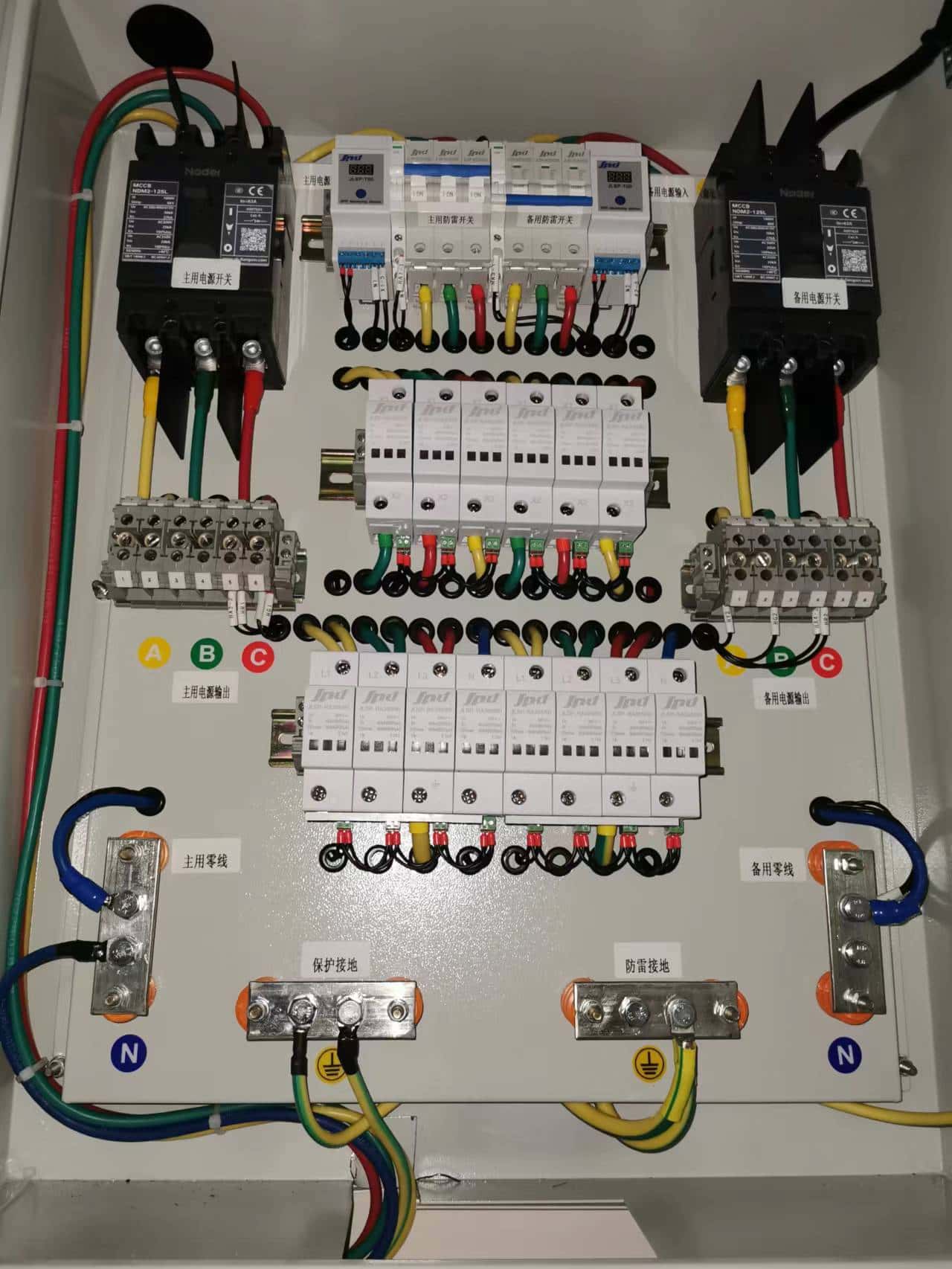
Verificación experimental: Para verificar la eficacia de este diseño mejorado, las normas exigen que la tensión de prueba utilizada para la prueba de tensión de impulso de estos dispositivos de protección contra sobretensiones (SPD) se multiplique por un factor de corrección de altitud superior a 1, basado en la tensión de prueba de referencia. Por ejemplo, para un SPD apto para su uso a 5000 metros, la tensión de prueba de impulso debe ser aproximadamente un 25 % superior a la del mismo modelo de SPD utilizado a 2000 metros. Esto simula la menor rigidez dieléctrica debida a la menor presión atmosférica a grandes altitudes. Solo los SPD que superen esta prueba de tensión mejorada podrán certificarse como aptos para el entorno de gran altitud correspondiente. Este es un método científico para verificar la adaptabilidad del diseño del producto mediante el aumento de la severidad de las condiciones de entrada.
Jinli Eléctrico WeChat

Dirección :No. 97-2 Yonghe Road, High-tech Zone, Hefei, Anhui, China
Tel : 0086-0551-65307363
Correo electrónico : jinlispd@ahjinli.com
Correo electrónico : lynn@ahjinli.com
Whatsapp/Wechat : 15209885162


